
BROKEN (FRACTURED) FINGERS
A fractured finger is one of the most common injuries seen in emergency rooms. Finger fractures are often trivialized by patients and physicians alike. Not all injuries can be wrapped, splinted and ignored. That is a recipe for disaster. Misdiagnosed or improperly managed fractures can be lead to persistent pain, deformity and a major interruption of normal routine. A broken finger can have serious consequences and should always be evaluated by an orthopedic hand specialist. Dr. Cohen specializes in disorders of the hand, wrist, forearm, and elbow, and is uniquely qualified to evaluate and properly manage this type of injury.
-
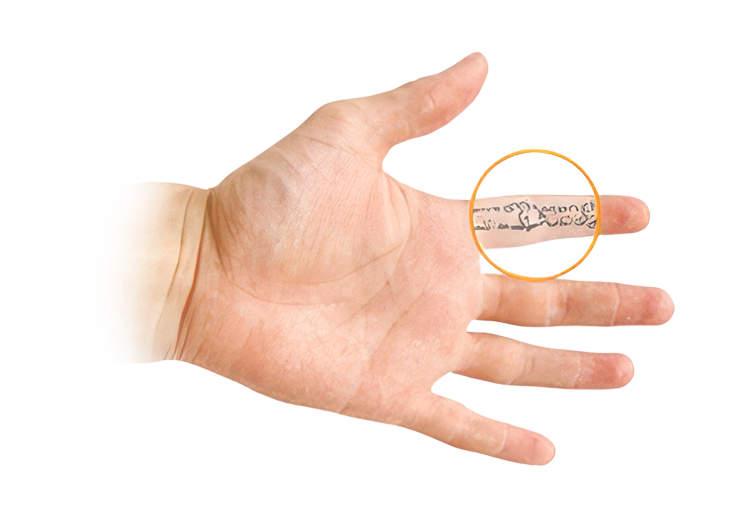
The bones in the fingers are called phalanges. There are three bones in each finger: the proximal phalanx, the middle phalanx, and the distal phalanx, which is the tip of the finger. The thumb does not have the middle phalanx. Broken fingers are usually caused by traumatic injuries: a blow to the finger, a fall, a workplace accident, a sporting accident. -
With most broken fingers, there is usually pain. However, in some cases there may still be some range of motion and a dull pain, depending on the type of fracture. Within five to ten minutes you may also notice swelling, bruising, stiffness, and in some cases, numbness. It is important to note that broken fingers don't read medical textbooks and they may have almost no symptoms. In general if you squeeze the bone and it hurts, it needs to be seen, regardless of swelling, bruising or motion.
-
X-rays are required to diagnose a broken finger.
The course of treatment for a broken finger can vary greatly depending on several factors:
The location of the break;
The number of fractures;
Whether or not there is displacement (the broken pieces have moved out of alignment).
Dr. Cohen will conduct a thorough physical examination, which will include x-rays in his office. Simple cases are usually handled with immobilization. More complicated breaks, such as those involving displacement, may require surgery.
Dr. Cohen is well-known for his conservative approach, and does not rush to surgery if non-surgical methods will lead to the proper outcome.
PATIENT STORIES
Real patients. Real stories. Hear their experiences.

PATIENT NAME
Procedure
WATCH INTERVIEW ➤
PATIENT NAME
Procedure
WATCH INTERVIEW ➤
PATIENT NAME
Procedure
WATCH INTERVIEW ➤
LET’S TALK
Our team is ready to deliver expert guidance and results. Let’s have a conversation about your injury or condition - and how we can help you heal.

