
De Quervain's Tenosynovitis
Dr. Cohen has extensive experience with De Quervain's Tenosynovitis.
-
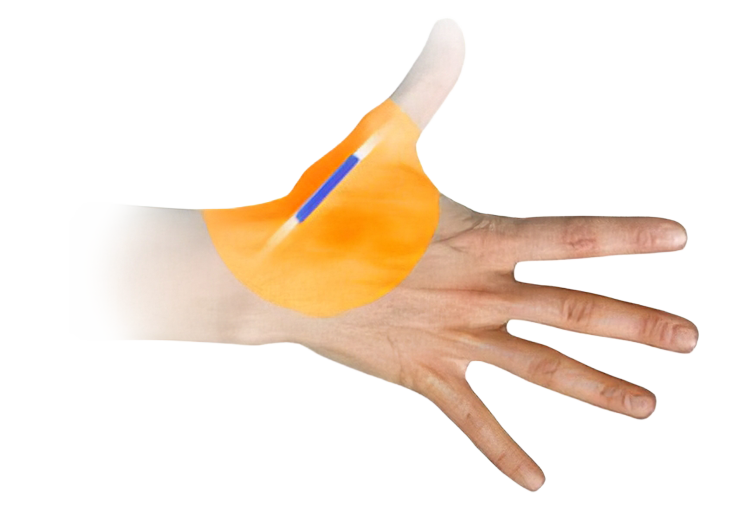
De Quervain's tenosynovitis - also called De Quervain's tendonitis - is irritation and swelling of the two tendons that run along the thumb side of the wrist. It causes pain and tenderness at the base of the thumb, especially when gripping, pinching, lifting, or turning the wrist.
These two tendons, the abductor pollicis longus and extensor pollicis brevis, help move and steady the thumb. They pass through a narrow tunnel, or sheath, on the thumb side of the wrist known as the first dorsal compartment. When this sheath thickens or the tendons become swollen, they can no longer glide smoothly, and moving the thumb and wrist becomes painful.
De Quervain's is often linked to activities that involve repeated thumb and wrist motion - gripping, pinching, wringing, lifting, or twisting. It is common in new parents and caregivers, who repeatedly lift infants with the thumb extended and the wrist bent, which is why it is sometimes called “mommy thumb.” It can also develop with certain jobs, hobbies, and sports, and it occurs more often in women and during and after pregnancy. In many cases, no single cause can be identified.
Dr. Cohen has extensive experience diagnosing and treating De Quervain's tenosynovitis, from early, activity-related irritation to long-standing cases that have not responded to other care.
-
With De Quervain's tenosynovitis, pain is most often felt over the thumb side of the wrist. It can extend up the forearm and usually worsens when twisting the wrist or grasping objects.
Common symptoms include:
Pain over the thumb side of the wrist, near the base of the thumb
Pain that can extend up the forearm
Pain that worsens when twisting the wrist or grasping, gripping, or pinching objects
Swelling near the base of the thumb
A catching or “sticking” sensation when moving the thumb
Difficulty with everyday tasks such as opening jars, lifting a child, or turning a key
Symptoms may come on gradually or appear suddenly. They tend to worsen with continued use of the hand and often ease with rest. When pain persists or interferes with daily activities, it is best to have the wrist evaluated by a hand specialist.
-
De Quervain's tenosynovitis is diagnosed through a thorough physical examination. Once Dr. Cohen confirms the diagnosis, treatment is guided by how severe the condition is and how long it has lasted. Most patients begin with non-surgical care, and surgery is reserved for cases that do not improve.
Diagnosis
Pain on the thumb side of the wrist can have more than one cause, so an accurate diagnosis begins with a thorough hand and wrist examination. A common office test is the Finkelstein test: you tuck your thumb into your palm, make a loose fist, and bend the wrist toward the little finger. Sharp pain along the thumb side of the wrist during this movement strongly suggests De Quervain's. Imaging is not usually needed to diagnose the condition itself, but Dr. Cohen may order an X-ray or other test to rule out other causes of wrist pain, such as arthritis at the base of the thumb.
Non-Surgical Treatment
Once the diagnosis is confirmed, treatment depends on the severity of the condition and how long it has persisted, and may involve non-surgical care, surgery, or both. Although recognized for his surgical skill, Dr. Cohen is a firm believer in conservative, non-operative treatment before considering surgery whenever that approach is appropriate. For De Quervain's, non-surgical options may include:
Anti-inflammatory or other medication to reduce pain and swelling
A splint or brace to rest and support the thumb and wrist
Hand therapy
Ergonomic adjustments and lifestyle changes that reduce strain on the wrist
A corticosteroid injection into the tendon sheath, which often relieves symptoms
Surgical Treatment
When symptoms persist despite conservative care, surgery can provide lasting relief. The procedure, called a first dorsal compartment release, opens the tight sheath so the tendons can glide freely again. It is performed as an outpatient procedure, and most patients return to their normal activities after a short recovery.
Dr. Cohen tailors treatment to each patient's symptoms, goals, and daily demands, beginning with the most conservative options whenever possible and reserving surgery for cases that need it.
PATIENT STORIES
Real patients. Real stories. Hear their experiences.
KATHRYN
SPECIAL EDUCATION TEACHER
Dequervain's Release
WATCH INTERVIEW ➤
ERIK
CITY EMPLOYEE
Dequervain's Release
WATCH INTERVIEW ➤
CATHERINE
HORSE TRAINER AND RIDING INSTRUCTOR
Dequervain's Release
WATCH INTERVIEW ➤
LET’S TALK
Our team is ready to deliver expert guidance and results. Let’s have a conversation about your injury or condition - and how we can help you heal.

