
Hand Trauma
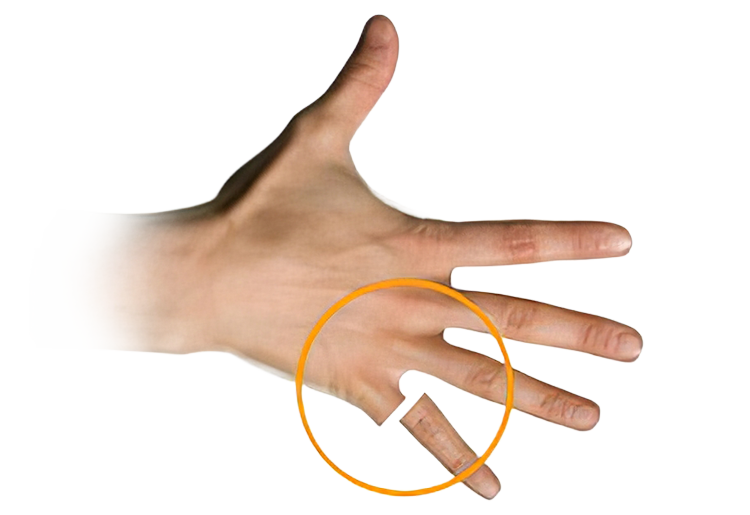
Because we all use our hands every day in so many ways, the possibility of injury is always lurking. The causes of hand injuries range from the mundane: catching ourselves in a fall, cutting ourselves while preparing dinner, slamming our hand in the car door -- to the terrifying: industrial machinery, power tool accidents, animal bites, even gunshot wounds. You don't have to be a concert pianist for a hand injury to be a life-changing event. Dr. Cohen has extensive experience with traumatic hand injuries, from gunshot wounds to amputations.
-
Hand trauma is a sudden injury to the hand, wrist, or fingers - usually the result of an accident - that damages the structures the hand depends on to work. While trauma can break bones, much of the hand’s function relies on its soft tissues: the tendons that move the fingers, the nerves that supply sensation and control, and the ligaments, muscles, blood vessels, and skin that hold everything together. Because these structures are packed tightly into a small space, an injury that looks minor on the surface can damage a tendon or nerve underneath and significantly affect movement or feeling.
A soft-tissue hand injury can involve a single structure or several at once. Common types include:
Cuts and lacerations - deep cuts that can sever the tendons, nerves, or blood vessels lying just beneath the skin.
Tendon injuries - tendons are the cords that connect muscle to bone and allow the fingers and thumb to bend (flexor tendons) and straighten (extensor tendons). When a tendon is cut or torn, the affected finger often cannot move normally.
Nerve injuries - the hand’s nerves carry sensation and help control fine movement. When a nerve is bruised, stretched, or cut, it can cause numbness, tingling, weakness, or loss of feeling.
Ligament and joint injuries - sprains, tears, or dislocations affecting the tissues that stabilize the finger, thumb, and wrist joints.
Crush injuries - a heavy or compressing force that damages soft tissue, and often bone, at the same time.
Puncture wounds and bites - including animal and human bites and high-pressure injection injuries, which can look like a small wound but cause serious deep damage and carry a high risk of infection.
Burns - thermal, chemical, or electrical injuries to the skin and the deeper tissues underneath.
Fingertip injuries - damage to the skin, nail, and pulp - and sometimes the bone - at the end of the finger.
Amputations - partial or complete loss of a fingertip, finger, thumb, or part of the hand.
Why Prompt Evaluation Matters
Tendons and nerves are time-sensitive structures. A cut tendon will not reconnect and heal on its own, and an injured nerve generally recovers best when it is treated early. For this reason, even a small wound over the palm, fingers, or back of the hand deserves prompt evaluation if movement or sensation is affected, because the damage beneath the skin is often not obvious from the surface.
-
The symptoms of a hand injury depend on which structures are involved, and they usually appear right after the injury. Common signs include:
Pain, swelling, and bruising around the injured area.
Bleeding or an open wound, particularly with cuts and lacerations.
Difficulty bending or straightening a finger or the thumb - a possible sign of a tendon injury.
Numbness, tingling, or loss of sensation in part of the hand or fingers - a possible sign of a nerve injury.
Weakness or a noticeable loss of grip strength.
A visible deformity, or a finger that sits in an unusual position.
A finger or fingertip that looks pale or bluish or feels cold, which can signal an injury to the blood supply.
Some symptoms call for prompt medical attention - including bleeding that is difficult to control, an inability to move a finger, numbness, an obvious deformity, a wound from a bite or puncture, or any partial or complete amputation. Even when the skin wound looks small, an underlying tendon or nerve injury may not be apparent without an examination.
-
Treatment for a hand injury begins with an accurate diagnosis. Dr. Cohen performs a thorough physical examination - often supported by imaging such as X-rays - to identify exactly which structures are involved and how severe the injury is. The treatment plan is then matched to the type, severity, and extent of the injury, so that no two plans look exactly alike.
Non-Surgical Treatment
Not every hand injury requires surgery. In many cases, conservative, non-surgical care is all that is needed to allow the injury to heal and function to return. This may include splinting or immobilization to protect and rest the injured area, medication to manage pain and swelling, wound care, and hand therapy to rebuild motion and strength as healing progresses.
Surgical Treatment
When an injury is more severe - or involves structures that cannot heal properly on their own, such as a cut tendon or nerve - surgery may be recommended. Dr. Cohen is experienced in the surgical treatment of complex hand trauma, including infections, occupational and work-related injuries, sports injuries, and fingertip injuries, as well as revision surgery to correct problems that remain after a previous hand operation. In every case, the goal is the same: to repair the damaged structures and restore as much hand function as possible.
Dr. Cohen specializes in injuries of the hand, wrist, forearm, and elbow. If you have sustained a hand injury - or you were told that nothing is wrong but still have pain, weakness, or numbness - an examination can identify exactly what was injured and what it will take to restore function.
PATIENT STORIES
Real patients. Real stories. Hear their experiences.
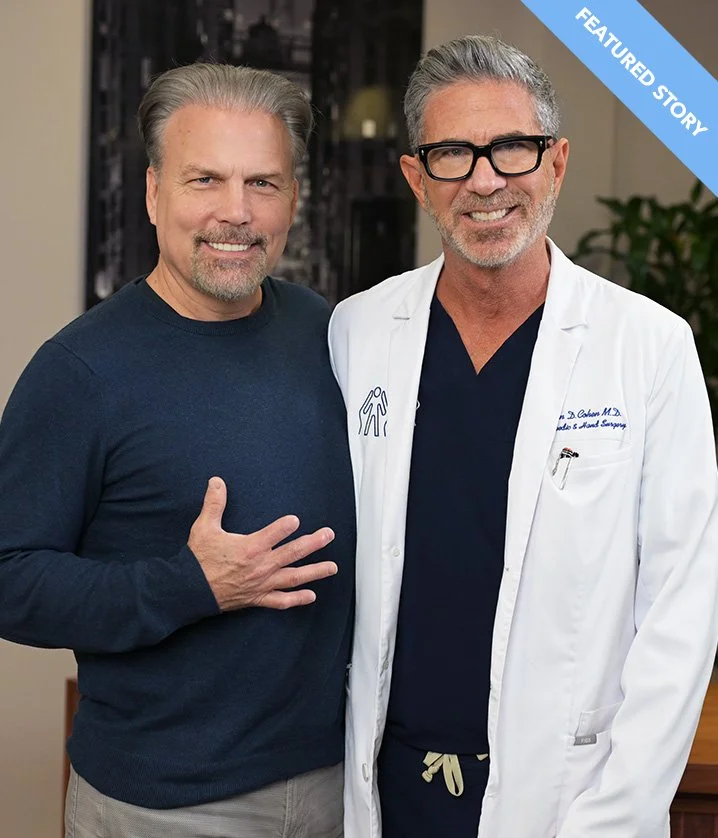
PATRICK
Severed Finger
WATCH INTERVIEW ➤

NATLIA
AESTHETIC NURSE PRACTITIONER
Severed Thumb
WATCH INTERVIEW ➤
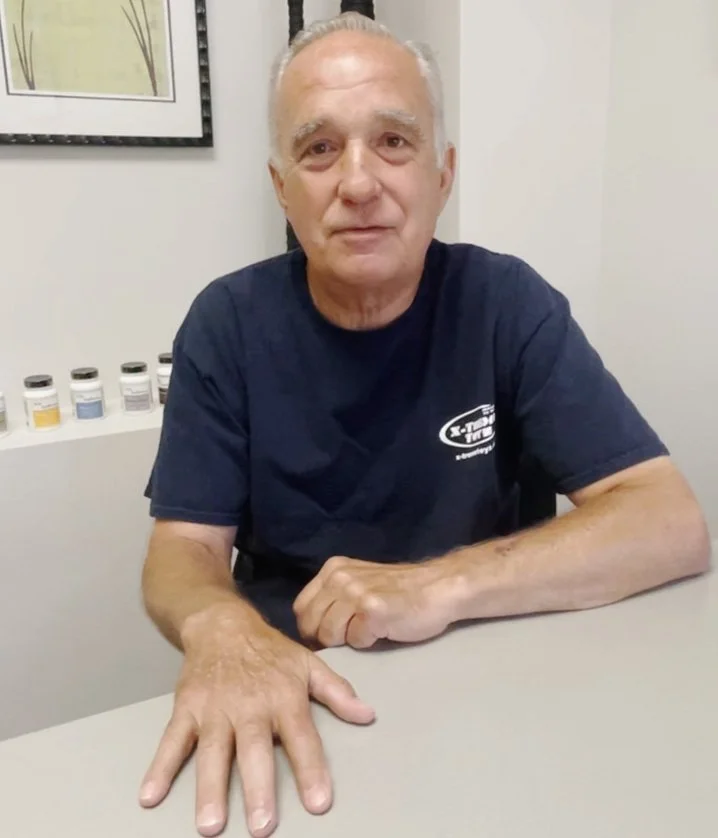
DAVID
Severed Finger
WATCH INTERVIEW ➤
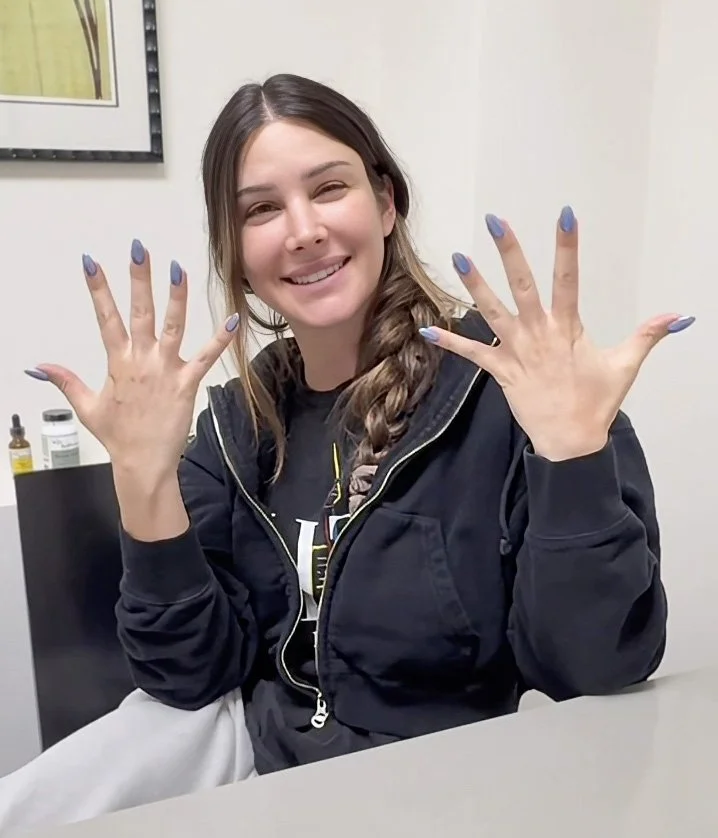
GRACE
INFLUENCER
Glass in Hand
WATCH INTERVIEW ➤
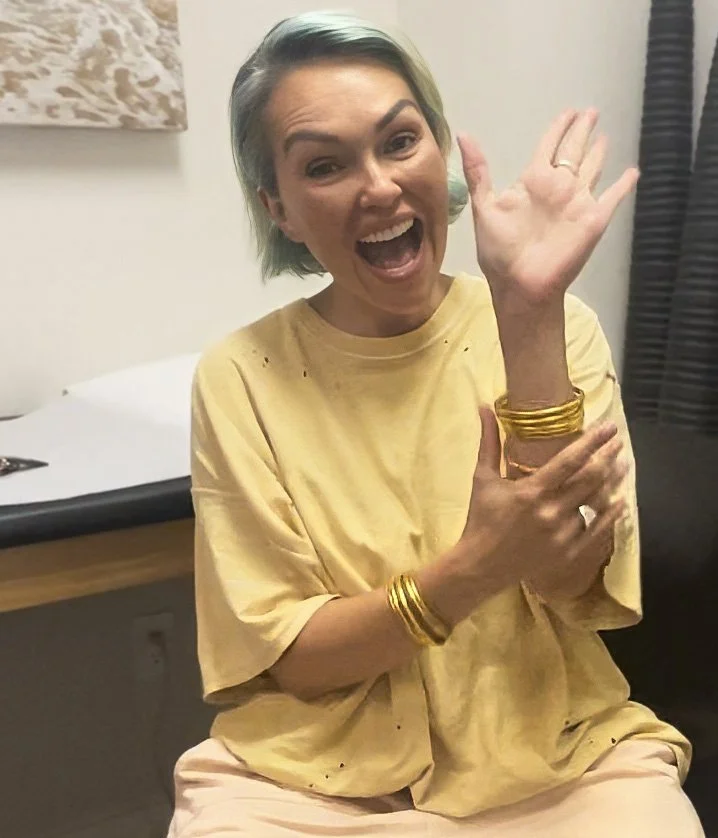
KANDEE JOHNSON
INFLUENCER
Nerve Damage
WATCH INTERVIEW ➤
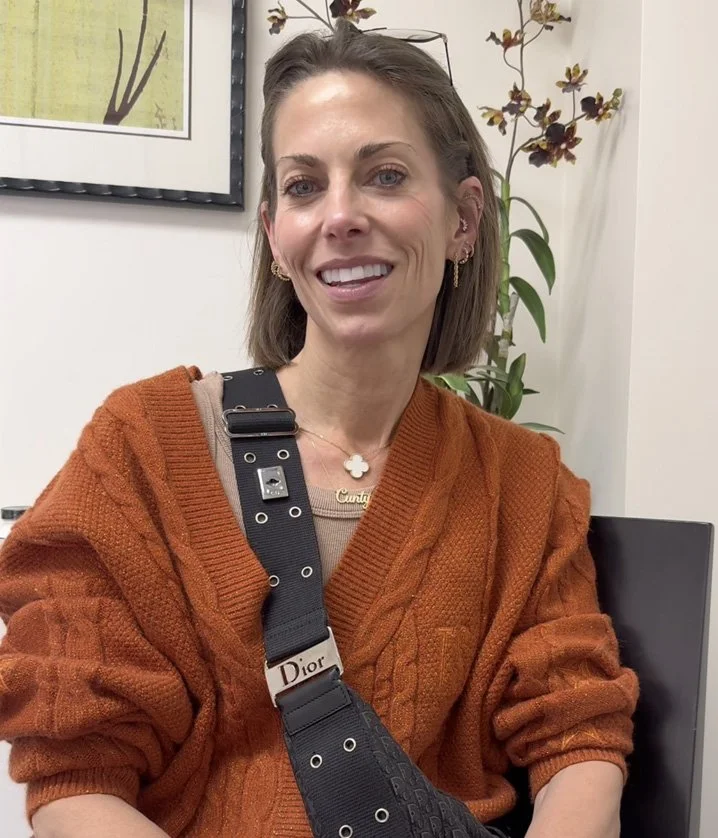
COURTNEY
Severed Tendon
WATCH INTERVIEW ➤
LET’S TALK
Our team is ready to deliver expert guidance and results. Let’s have a conversation about your injury or condition - and how we can help you heal.

