
Thumb Arthritis
Dr. Cohen has extensive experience with individuals affected by thumb arthritis CMC joint, also known as basal joint arthritis. This is one of the most common locations for arthritis in the hand.
-
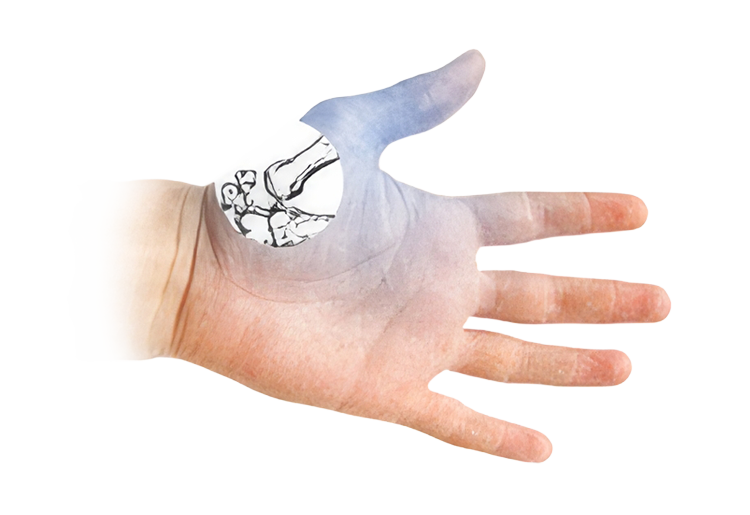
Thumb arthritis is osteoarthritis of the joint at the base of the thumb, where the thumb meets the wrist. This saddle-shaped joint - the carpometacarpal (CMC) joint, also called the basal joint - carries a great deal of stress, because it gives the thumb its wide range of motion, allowing it to swivel, pivot, and pinch.
Like all joints, the CMC joint has cartilage covering the ends of the bones, which lets them glide smoothly against one another. When that cartilage wears down - from osteoarthritis or general wear and tear over time - the bones begin to rub together. This causes pain and progressive damage to the joint and to the bones themselves.
Dr. Glenn D. Cohen is a hand, wrist, and elbow specialist who treats the full range of thumb arthritis, from early joint changes to advanced, painful disease. If thumb pain is affecting your grip, your pinch, or your daily activities, contact our office to be evaluated by Dr. Cohen.
Symptoms
The first symptoms of thumb arthritis are usually pain and swelling at the base of the thumb, often along with a decreased range of motion and difficulty grasping objects. The pain tends to be worst during activities that require pinching or gripping - opening jars, turning doorknobs, or picking up keys.
As the arthritis progresses, pain may occur even when the thumb is at rest, not only when gripping or pinching. Many people notice stiffness in the morning and a general achiness by evening. A bony bump may also develop at the base of the thumb, which can make the joint look as though it is out of place.
Catching thumb arthritis early matters. Prompt diagnosis and treatment can relieve discomfort and may slow the degeneration of the joint. If you have pain at the base of your thumb, contact our office to be evaluated by Dr. Cohen.
-
The first symptoms of thumb arthritis are usually pain and swelling at the base of the thumb, often along with a decreased range of motion and difficulty grasping objects. The pain tends to be worst during activities that require pinching or gripping - opening jars, turning doorknobs, or picking up keys.
As the arthritis progresses, pain may occur even when the thumb is at rest, not only when gripping or pinching. Many people notice stiffness in the morning and a general achiness by evening. A bony bump may also develop at the base of the thumb, which can make the joint look as though it is out of place.
Catching thumb arthritis early matters. Prompt diagnosis and treatment can relieve discomfort and may slow the degeneration of the joint. If you have pain at the base of your thumb, contact our office to be evaluated by Dr. Cohen.
-
Diagnosis begins with a thorough physical examination, which may include X-rays and other diagnostic tests to confirm the arthritis and gauge how far it has progressed. Treatment then depends on the severity of the condition and how long it has been present.
Fortunately, there are a wide range of treatment options - both non-surgical and surgical - that can reduce pain and restore movement. Although he is renowned for his surgical ability, Dr. Cohen is a firm believer in trying conservative, non-operative care before considering surgery. For thumb arthritis, that may include medication, splinting, hand therapy, ergonomic modifications, and lifestyle changes.
If thumb arthritis is interfering with your grip, your pinch, or your daily life, contact our office to be evaluated by Dr. Cohen and to discuss the treatment options best suited to you.
PATIENT STORIES
Real patients. Real stories. Hear their experiences.

PATIENT NAME
Procedure
WATCH INTERVIEW ➤
PATIENT NAME
Procedure
WATCH INTERVIEW ➤
PATIENT NAME
Procedure
WATCH INTERVIEW ➤
LET’S TALK
Our team is ready to deliver expert guidance and results. Let’s have a conversation about your injury or condition - and how we can help you heal.

